
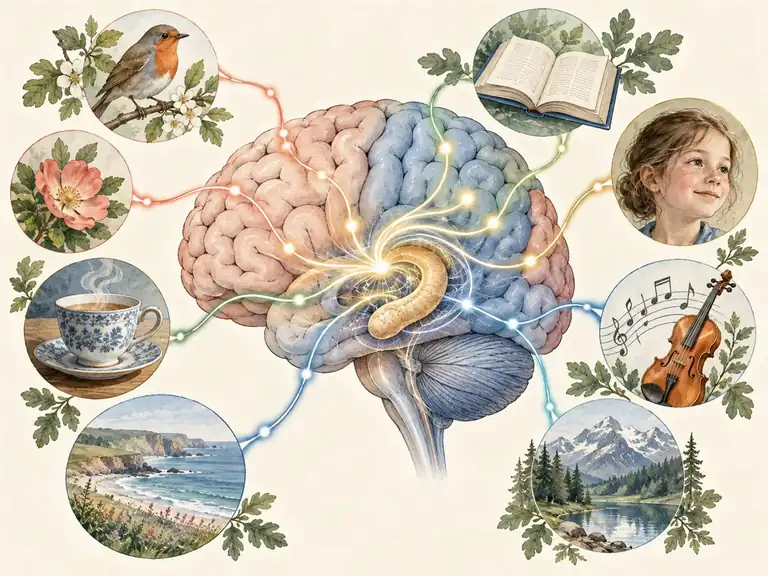
Memory is a group of processes, not one storage box. Attention helps encode information; different brain systems support short-term use, skills, facts and personal events; recall reconstructs rather than replays.
Making a memory
Information must first be noticed. Working memory briefly holds and manipulates a limited amount, while consolidation helps some experiences become longer-lasting. Sleep, meaning, repetition and retrieval practice can support learning.
The hippocampus is important for forming many new memories of events and facts. Skills and habits involve other networks, which is why someone may remember how to cycle without describing each movement.
Forgetting is informative
Forgetting can happen because information was never strongly encoded, because retrieval cues are missing, or because similar memories interfere. Recall is vulnerable to suggestion and confidence does not guarantee accuracy.
A useful study method is to close the book and retrieve an answer, then check it. Re-reading can feel fluent without proving that the information can be recalled later.
Run a retrieval test
- Read six unrelated words once.
- Cover them and write down as many as you can.
- Check, wait five minutes and retrieve again before re-reading.