
Amazing
Human Body
Thirty clear, evidence-led guides to the systems, senses and reflexes that keep a human body working.
Browse all 30 guides ↓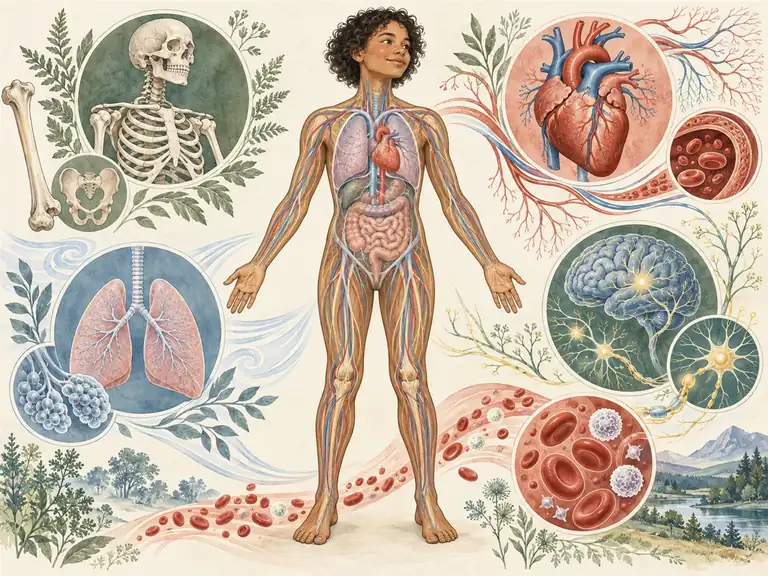
Start with a system.
Leave with a better question.
Each guide distinguishes a well-supported mechanism from a plausible idea. Health notes are educational, not personal medical advice.
Your Body in Numbers
Useful quantities—and the careful assumptions behind them.
Weird Things Your Body Does
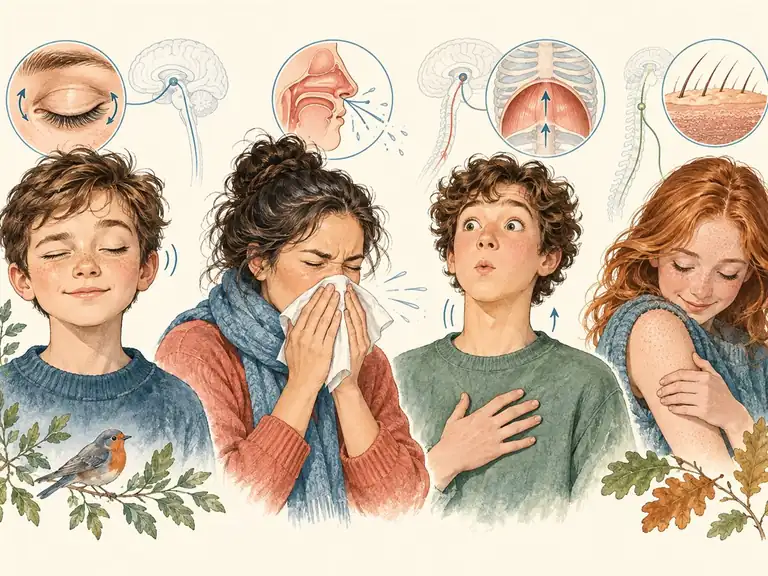
Reflexes, noises and tiny automatic jobs that make sense once you know the mechanism.

Strange Things the Human Body Can Do
Adaptation, repair and co-ordination are more impressive than party tricks.
Incredible Brain Facts
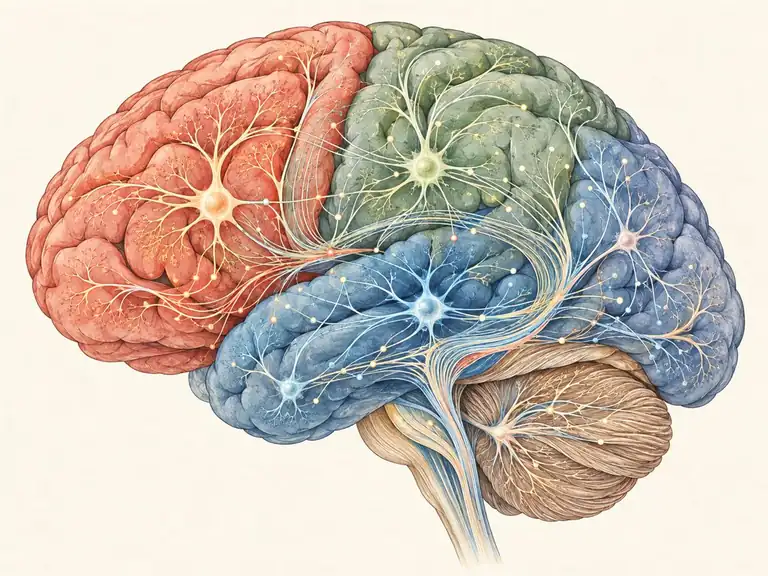
A living electrical and chemical network that interprets, predicts and controls.
Sleep Facts
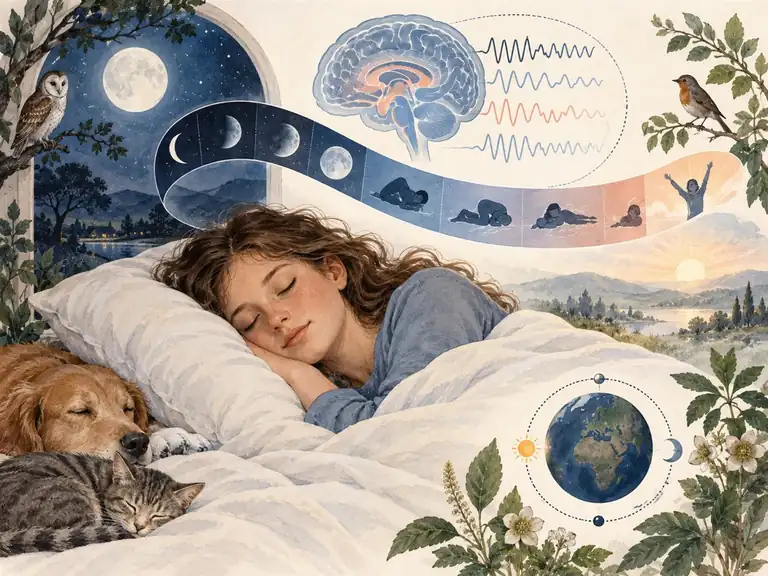
What changes across a night—and why rest is active, not empty time.
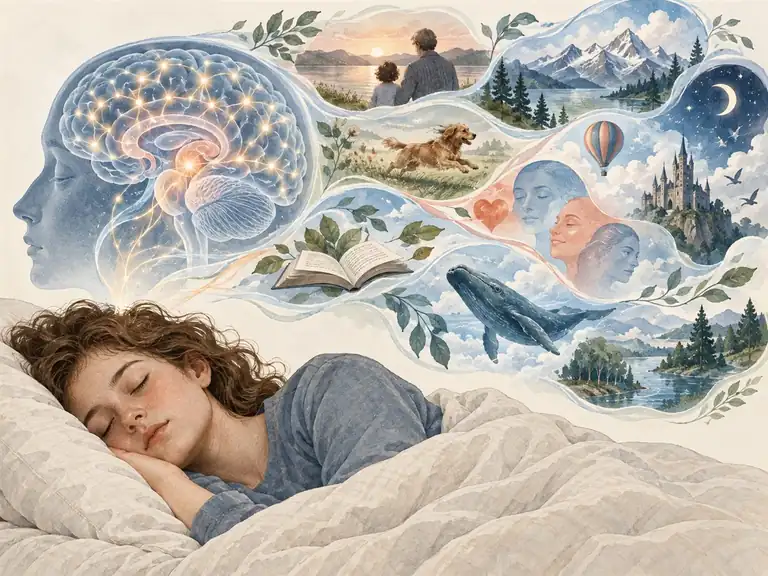
Dream Facts
What researchers can observe, what people report and what remains unknown.
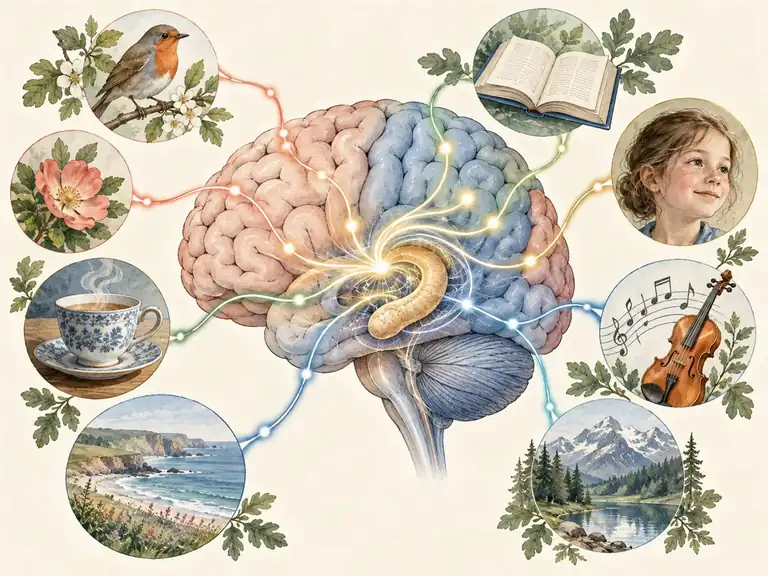
Memory Facts
How the brain encodes, stores and reconstructs information.
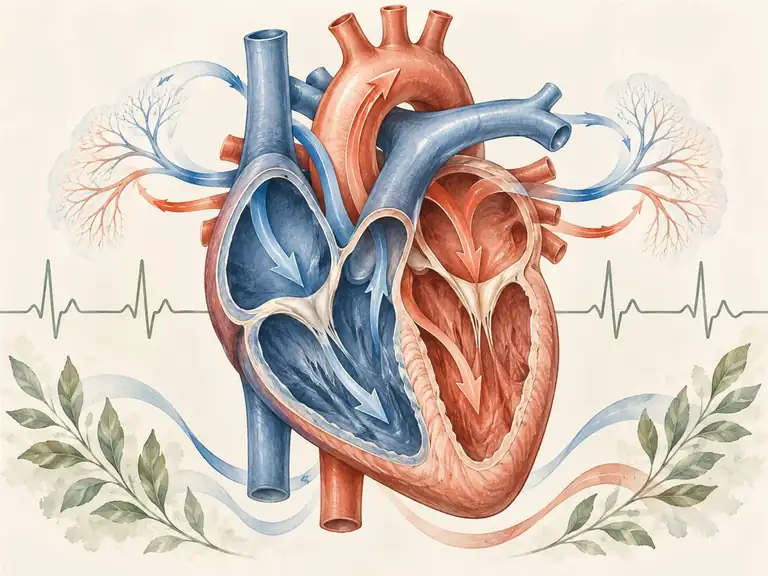
Amazing Heart Facts
Four chambers, four valves and one carefully timed pump.
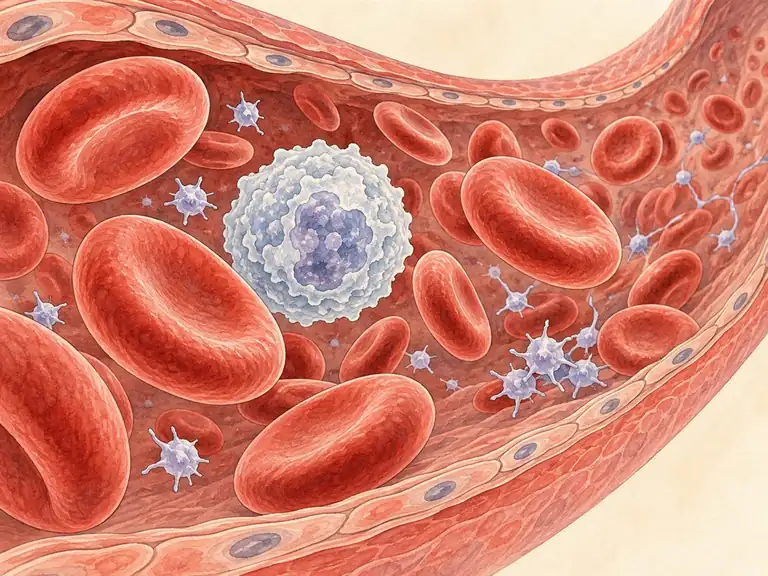
Blood Facts
A moving tissue that transports, protects and repairs.
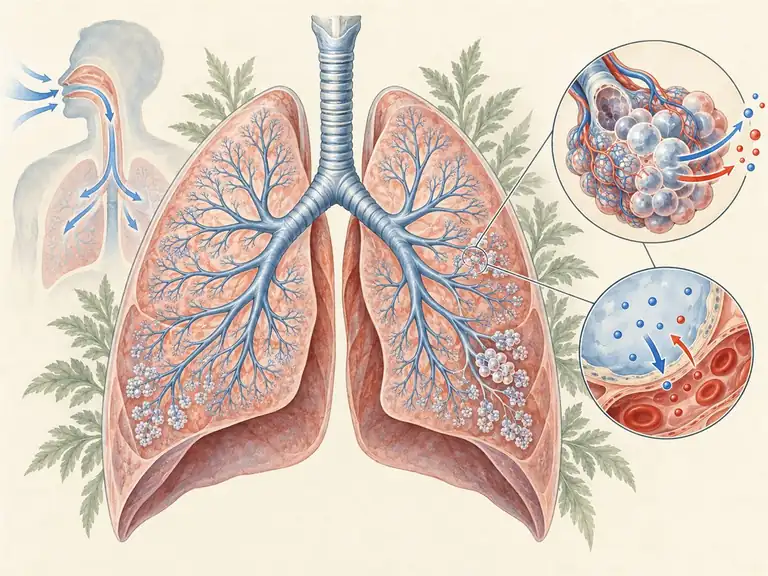
Lung Facts
Branching airways lead to millions of microscopic exchange surfaces.
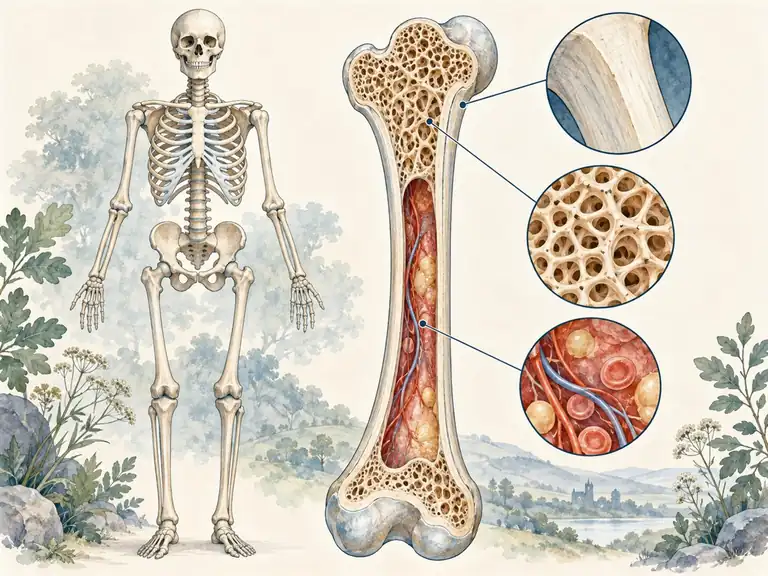
Bone Facts
A strong, flexible, living framework that is always being renewed.
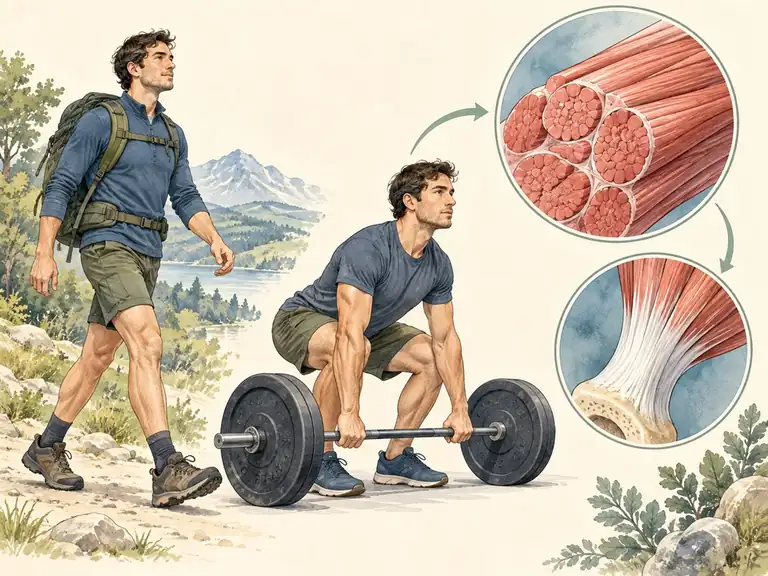
Muscle Facts
How contraction creates movement inside and outside the body.
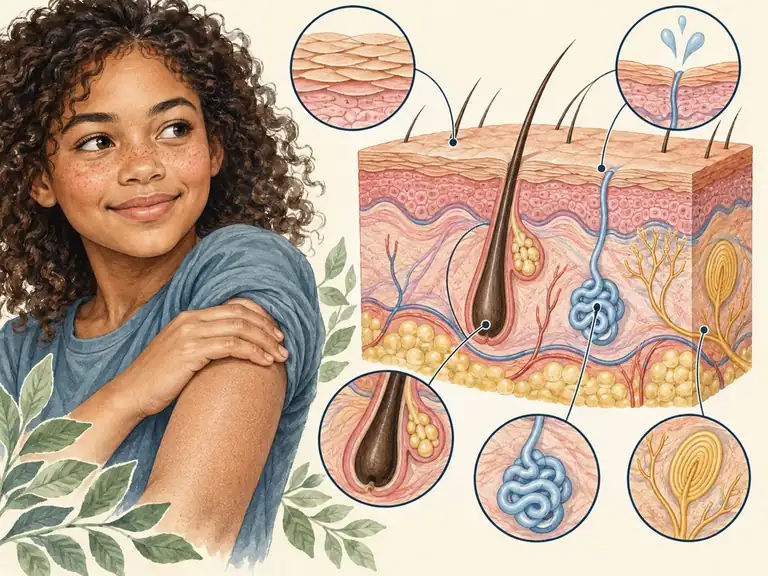
Skin Facts
A layered boundary, sensory surface and temperature regulator.
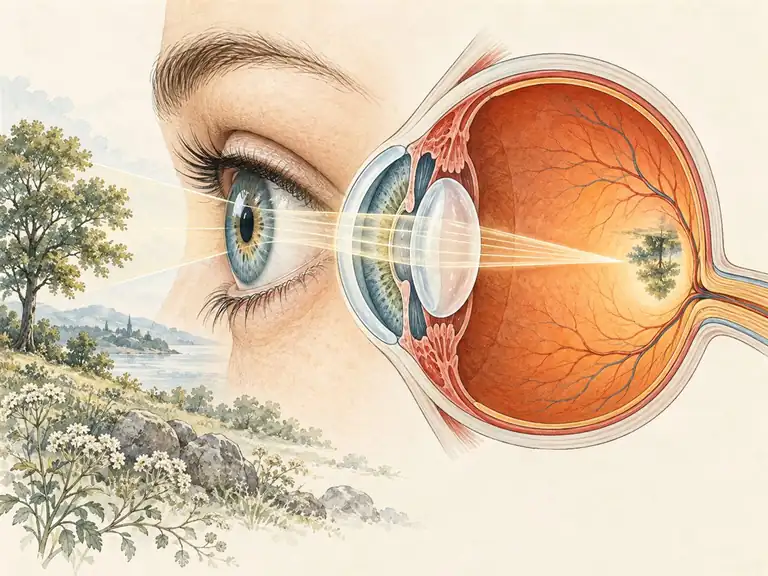
Eye Facts
How focused light becomes signals—and signals become sight.
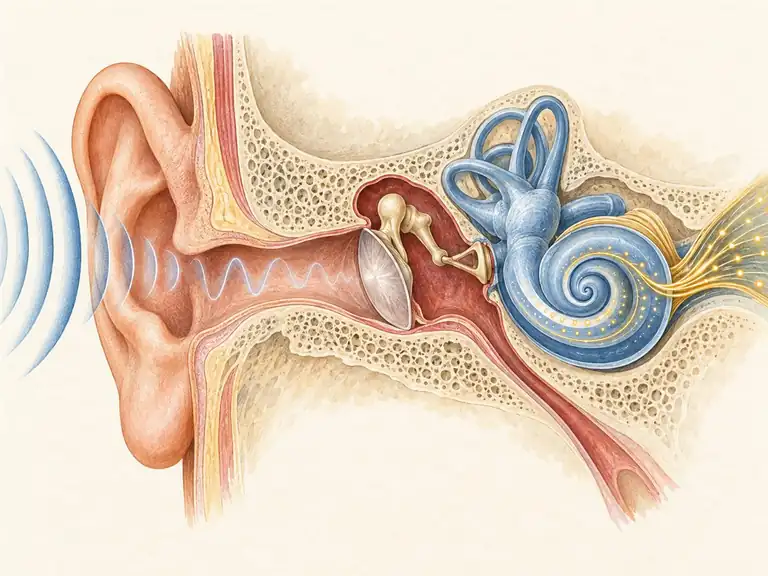
Ear and Hearing Facts
A chain of air, bone, fluid, hair cells and nerve signals.
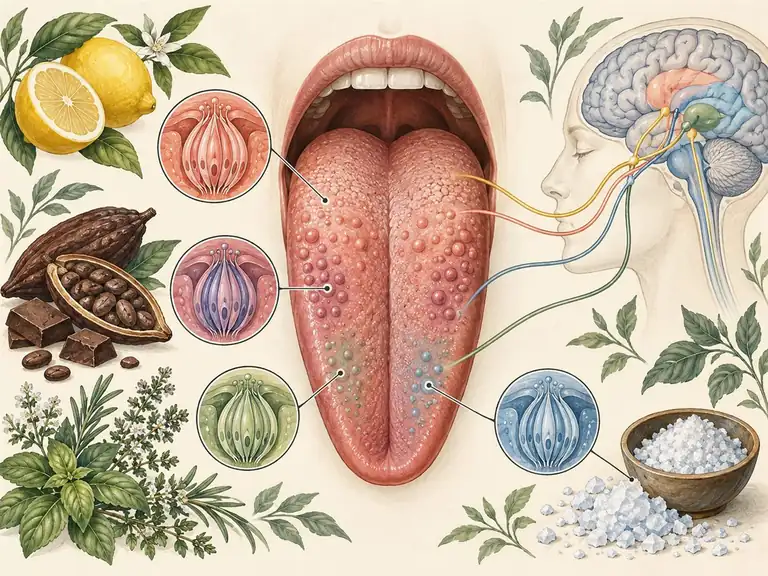
Taste Facts
Taste is chemistry on the tongue; flavour is a whole-sensory construction.
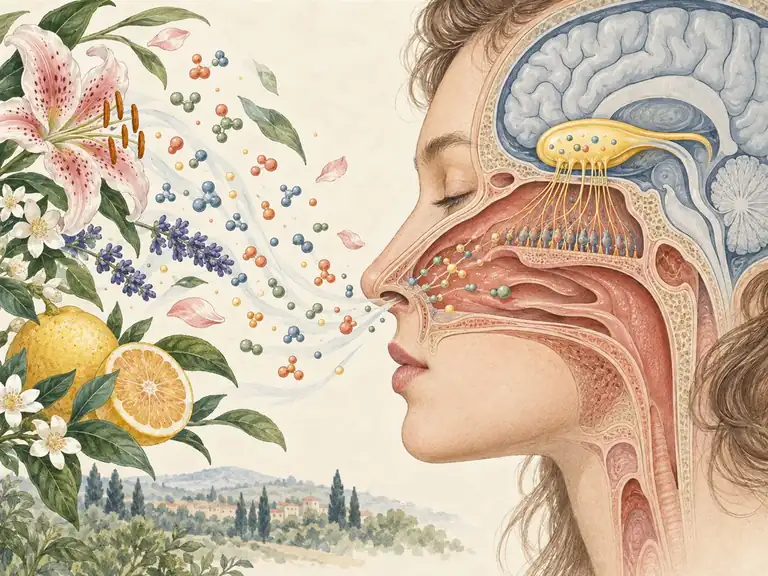
Smell Facts
Molecules, specialised neurons and unusually direct links to memory and emotion.
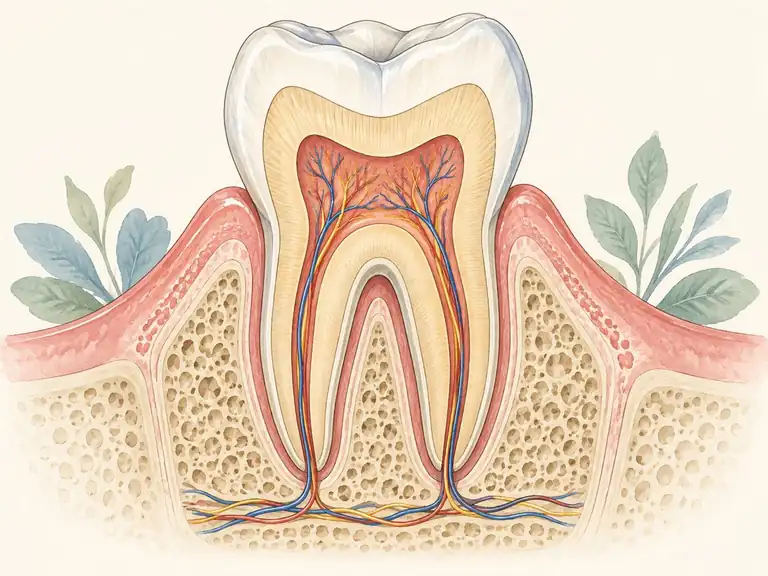
Teeth Facts
A tooth is a layered organ built for force—and exposed to a microbial ecosystem.
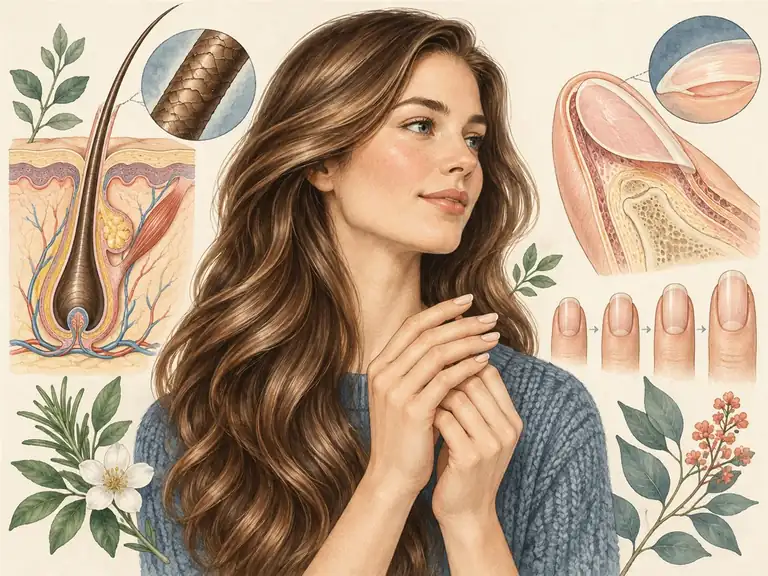
Hair and Nail Facts
Visible keratin records growth, while living tissue does the building underneath.
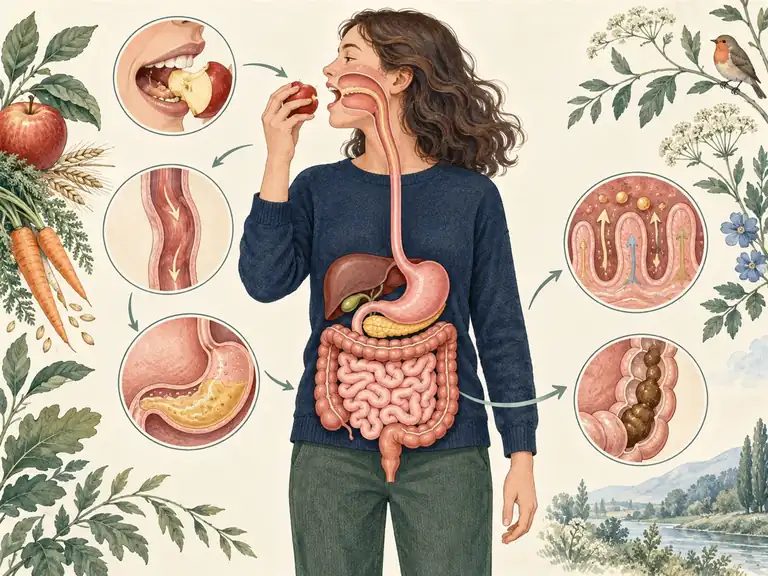
Digestive System Facts
A long co-operative process involving organs, enzymes, microbes, nerves and blood.
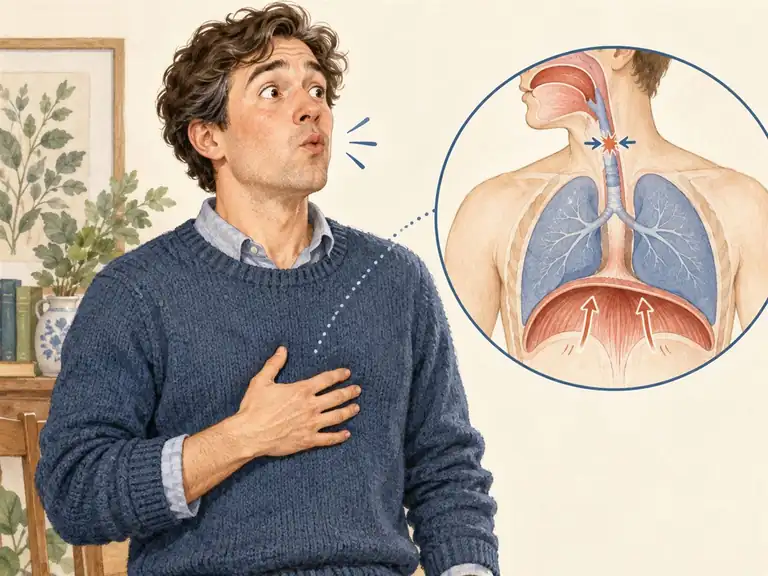
Why We Hiccup
A sudden breathing-muscle spasm followed by a quick closure in the voice box.
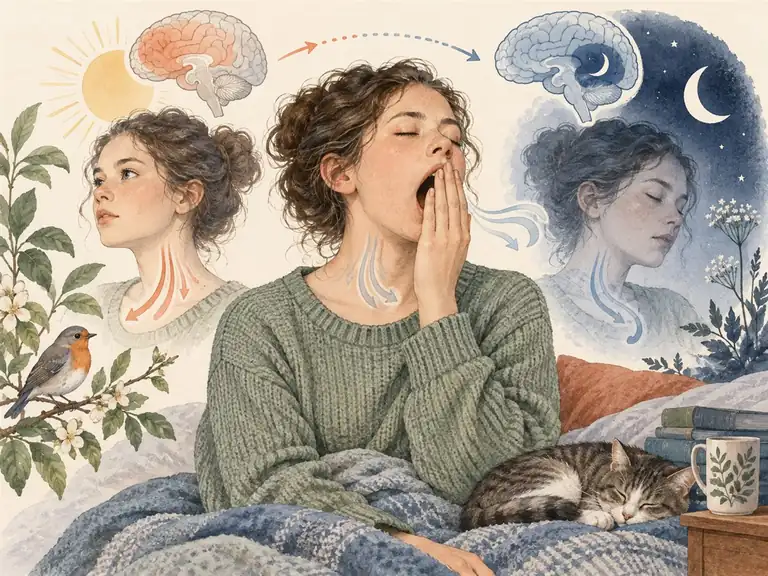
Why We Yawn
A real, contagious behaviour without one proven purpose.
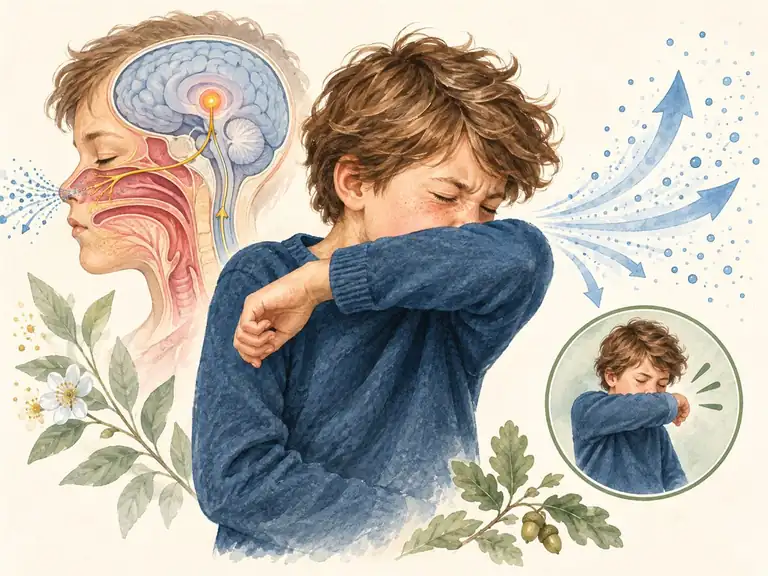
Why We Sneeze
A protective reflex that clears irritants from the nasal passages.
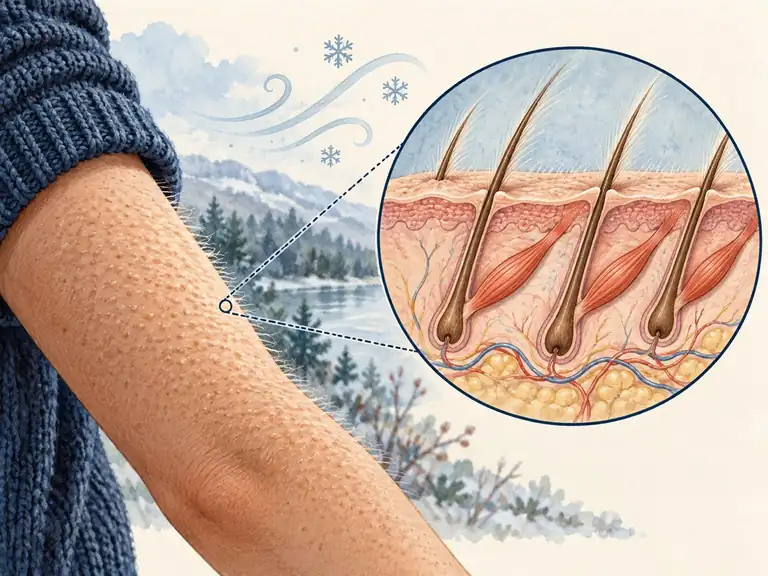
Why We Get Goosebumps
Tiny muscles pull each hair upright during cold or strong emotion.
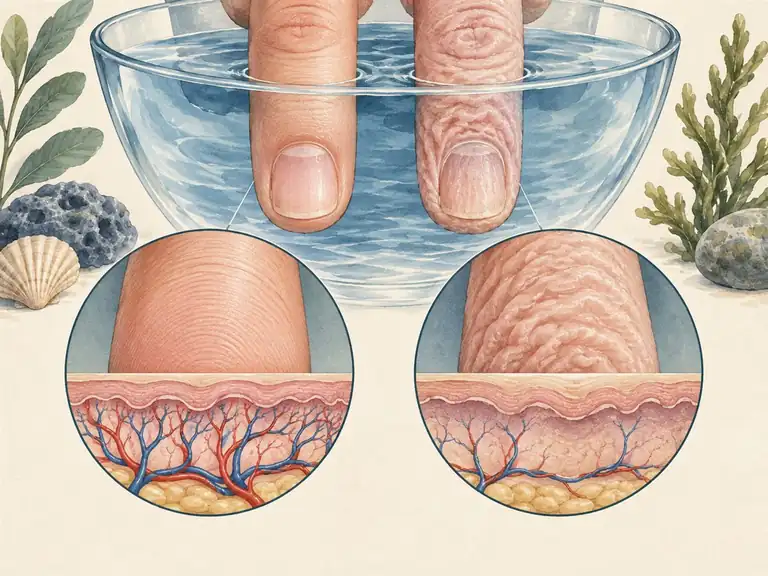
Why Our Fingers Wrinkle in Water
An active nerve-and-blood-vessel response, not simply soggy skin.
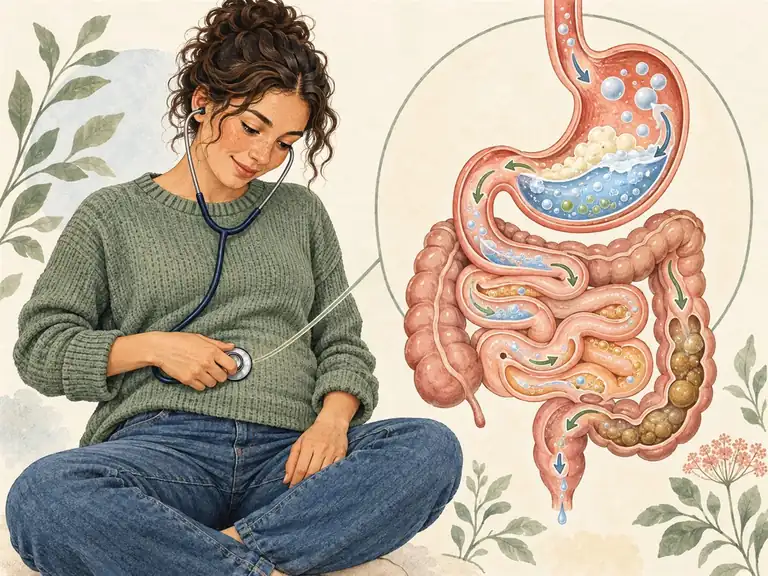
Why Your Stomach Rumbles
Moving muscles, gas and liquid can be noisy—whether or not you are hungry.
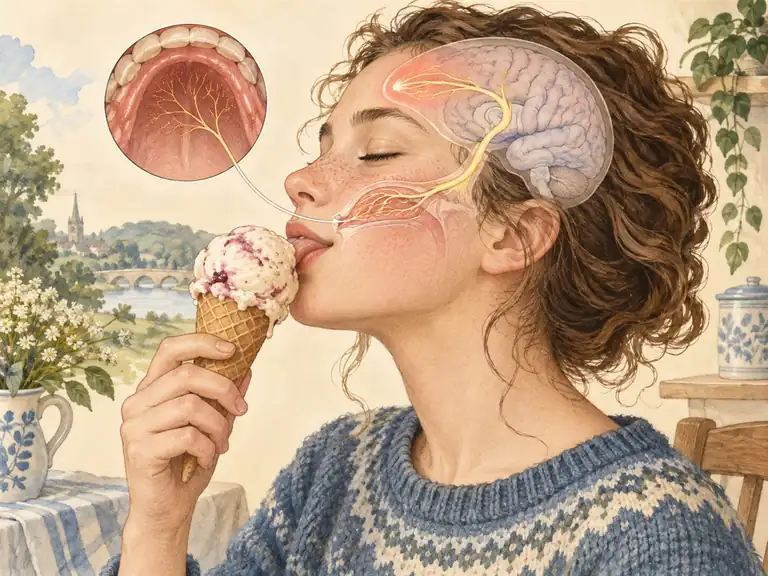
Why You Get Brain Freeze
A rapid cold stimulus in the mouth activates pain pathways that are felt in the head.
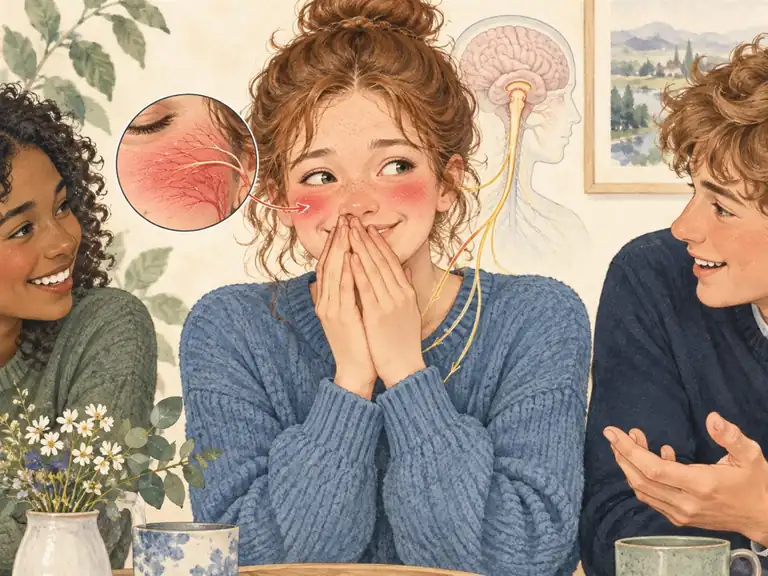
Why We Blush
Emotion can widen facial blood vessels before conscious control can stop it.
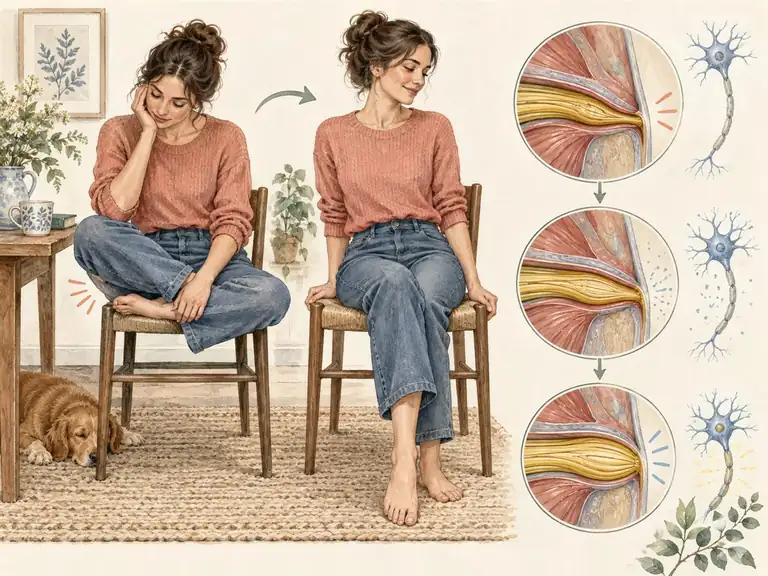
Why We Get Pins and Needles
Temporary pressure disturbs nerve signalling; returning function can feel prickly.
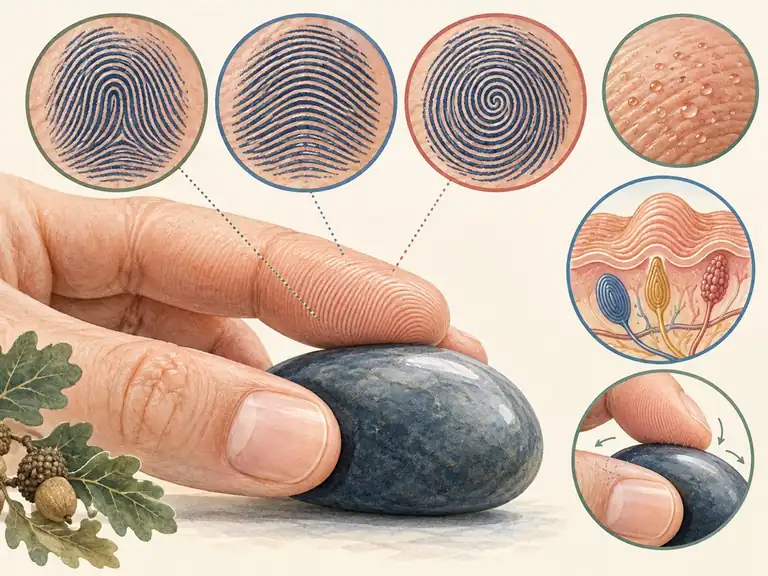
Why We Have Fingerprints
Ridges help manage moisture, friction and detailed touch; their individual pattern is a developmental outcome.